February 13, 2026
Low Speed Pre-Ignition (LSPI): The Silent Killer of Modern T-GDI Engines
Modern vehicle engines represent a triumph of engineering. Smaller, lighter, and more powerful than their predecessors, these machines deliver impressive fuel efficiency and performance. A key innovation behind this advance is the Turbocharged Gasoline Direct Injection (T-GDI) engine. T-GDI combines turbocharging for power with direct fuel injection for precise fuel delivery. This blend creates an engine that truly excels. Yet, with every advance, new challenges arise. For T-GDI engines, a hidden danger exists, often unseen and unheard until it is too late: Low Speed Pre-Ignition (LSPI). This phenomenon, a true silent killer, can cause catastrophic engine damage quickly.
Unmasking the Silent Killer: What is LSPI?
To grasp LSPI, first understand how an engine normally works. Fuel and air mix in the cylinder. The piston moves up, compressing this mixture. At the precise moment, the spark plug fires, igniting the compressed mixture. This controlled explosion pushes the piston down, powering the car.
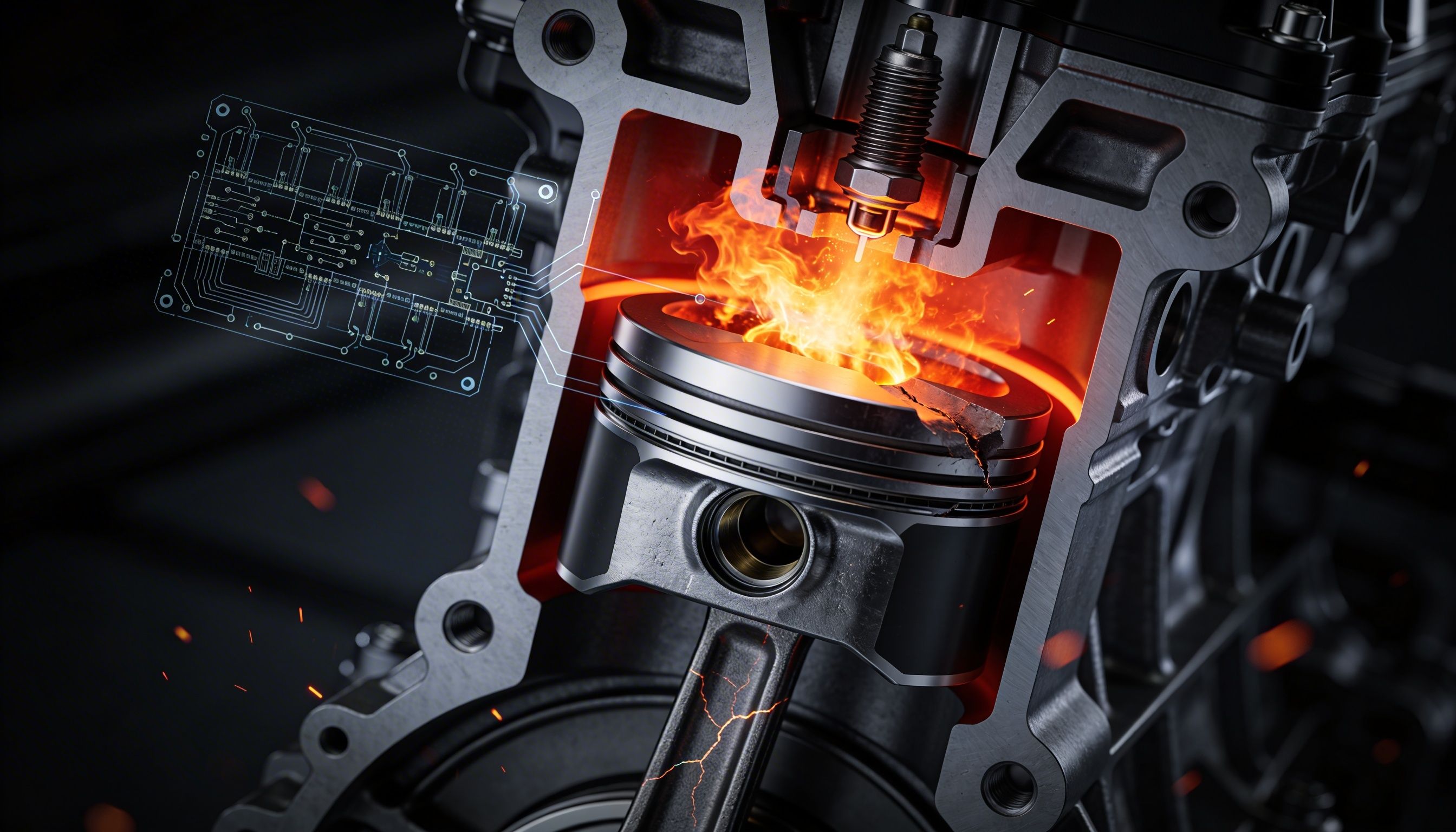
LSPI disrupts this careful sequence. It is an uncontrolled combustion event that occurs before the spark plug fires. Instead of a precise ignition, random pockets of the fuel-air mixture spontaneously ignite under high pressure and low engine speeds. Imagine a hammer striking your engine's internal parts not at the expected time, but randomly and with immense force.
The consequences are dire. LSPI generates pressure spikes many times higher than normal combustion. This extreme pressure can:
- Crack pistons.
- Bend connecting rods.
- Damage spark plugs.
- Cause premature wear on crankshafts and bearings.
Think of these sudden, powerful events as tiny internal explosions that slowly, or sometimes quickly, destroy the engine from within.
Why Modern T-GDI Engines Are Vulnerable
The very design elements that make T-GDI engines efficient also make them susceptible to LSPI.
- Direct Fuel Injection: Fuel injects directly into the combustion chamber. This creates fuel droplets that can interact with oil on the cylinder walls.
- Turbocharging: Turbochargers force more air into the engine. This means more fuel can be burned, increasing power but also pressure within the cylinders, especially at lower RPMs.
- Engine Downsizing: Smaller engines mean higher power density. Engineers push these engines harder, leading to higher cylinder pressures and temperatures.
The interaction of oil droplets, fuel, and carbon deposits at high pressure and specific temperatures creates the perfect storm for LSPI. The source of these pre-ignition events often comes from small particles in the combustion chamber. These particles can be oil droplets splashed onto the cylinder walls or carbon deposits from fuel and oil combustion.
The Role of Engine Oil in Preventing LSPI
Given that oil droplets are a major factor, engine oil plays a critical part in stopping LSPI. Not all oils are created equal in this fight. Traditional motor oils were not formulated with LSPI in mind, as the problem became widespread only with the rise of T-GDI technology.
To combat LSPI, engine oils need specific properties:
- Low Calcium Formulation: Older oil formulations often used calcium-based detergents. While effective at cleaning, calcium has been linked to increasing the likelihood of LSPI. Modern LSPI-preventative oils use magnesium or a balanced calcium/magnesium approach.
- High-Quality Base Oils: Premium Group 2 and Group 3 synthetic base oils provide superior stability and cleanliness. These resist forming deposits that can trigger LSPI.
- Advanced Additive Packages: Specific additives are engineered to suppress the pre-ignition phenomenon. These include anti-wear agents, dispersants, and antioxidants that work in harmony.
The Solution: Meeting Industry Standards (API SP, ILSAC GF-6A)
Automotive industry bodies recognized the severity of LSPI. They developed new performance standards to address it directly. The most relevant standards for gasoline engines are:
- API SP: The latest service classification from the American Petroleum Institute. Oils meeting API SP have passed rigorous tests specifically designed to verify LSPI protection.
- ILSAC GF-6A: A standard from the International Lubricant Standardization and Approval Committee. GF-6A incorporates all the performance requirements of API SP, plus additional fuel economy benefits.
When you see "API SP" or "ILSAC GF-6A" on an oil bottle, you can be confident it offers protection against LSPI. This certification is your assurance that the oil has been tested and proven to safeguard your T-GDI engine.
Genuine Lubricants' Vigor Pro 7: Your Engine's Protector
Genuine Lubricants understands the challenges presented by modern engine designs. Their Vigor Pro 7 series is a prime example of their commitment to engine health. This fully synthetic motor oil is specifically formulated to meet and exceed the API SP and ILSAC GF-6A standards.
Vigor Pro 7 uses a carefully balanced additive package with reduced calcium content and high-quality synthetic base oils. This composition directly targets the root causes of LSPI. By choosing Vigor Pro 7, you are not just selecting an oil; you are choosing a shield against the silent killer that threatens modern T-GDI engines. It gives you peace of mind and preserves your vehicle’s performance.
Beyond LSPI: Comprehensive Engine Care
While LSPI protection is a key benefit, a premium oil like Vigor Pro 7 offers broader advantages:
- Superior Wear Protection: Guards against friction and metal-to-metal contact in all engine parts.
- Exceptional Cleanliness: Prevents sludge and varnish buildup, keeping oil passages clear.
- Oxidation Stability: Resists thermal breakdown, meaning the oil lasts longer and protects consistently.
- Fuel Efficiency: Reduces internal friction, helping your engine use less fuel.
Making the right choice in engine oil is more important than ever. With the advanced technology in today's T-GDI engines, generic oils simply cannot offer the specialized protection required. Invest in an oil designed for the modern era, one that specifically tackles LSPI and provides comprehensive care. Protect your investment.